
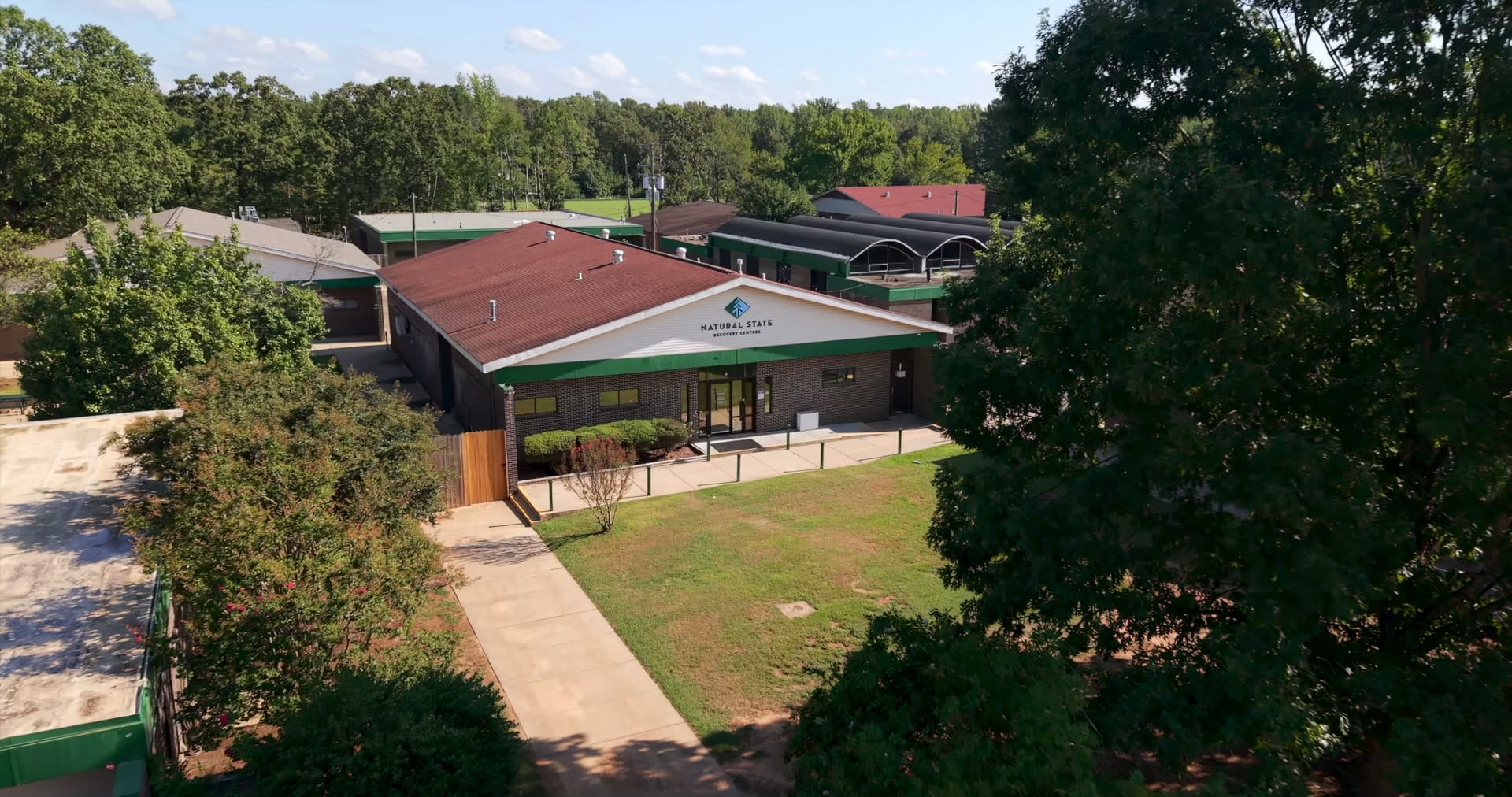
Little Rock, Arkansas · Live-In Level of Care
Residential & Inpatient Rehab in Little Rock, Arkansas
A live-in home where recovery has room to take root. Structured days, real therapy, and people who understand, with detox and outpatient care under the same organization when you’re ready to step down.
- Live-in, around-the-clock support
- CARF-accredited
- Most insurance accepted
- Admissions answered 24/7
What residential treatment is
Somewhere to land while the work begins
Residential treatment, sometimes called inpatient rehab, is live-in care. You stay on site in a home built for healing, with your days structured around therapy, peer support, and the routines that recovery needs. For many people it’s where things finally start to hold, away from the triggers and the noise of daily life.
Some people are able to start in outpatient care. Others need somewhere to land first. Your assessment decides which, not a template. And because detox, residential, and outpatient all live under one organization here, moving between levels never means starting over with a new team or a new building.
How it works
From your first call to your last day
You don’t have to know which level of care you need before you call. That’s what the assessment is for.
Assessment & admission
A free, confidential call and clinical assessment to understand your history and recommend the right starting level of care, then a clear admission process so you know what to expect.
Medical detox, if you need it
When withdrawal needs supervision, detox comes first. Physician-supervised, staffed around the clock, with a medication plan built for you, then a direct hand-off into residential care.
Daily residential care
Live-in structure where the work happens out loud: individual and group therapy, family education, wellness, 12-step meetings, and chef-prepared meals. The staff understand it, many from their own recovery.
Step down to outpatient
As you stabilize, you step down into PHP, IOP, or outpatient care, building recovery while you return to daily life, still connected to the people who got you here.
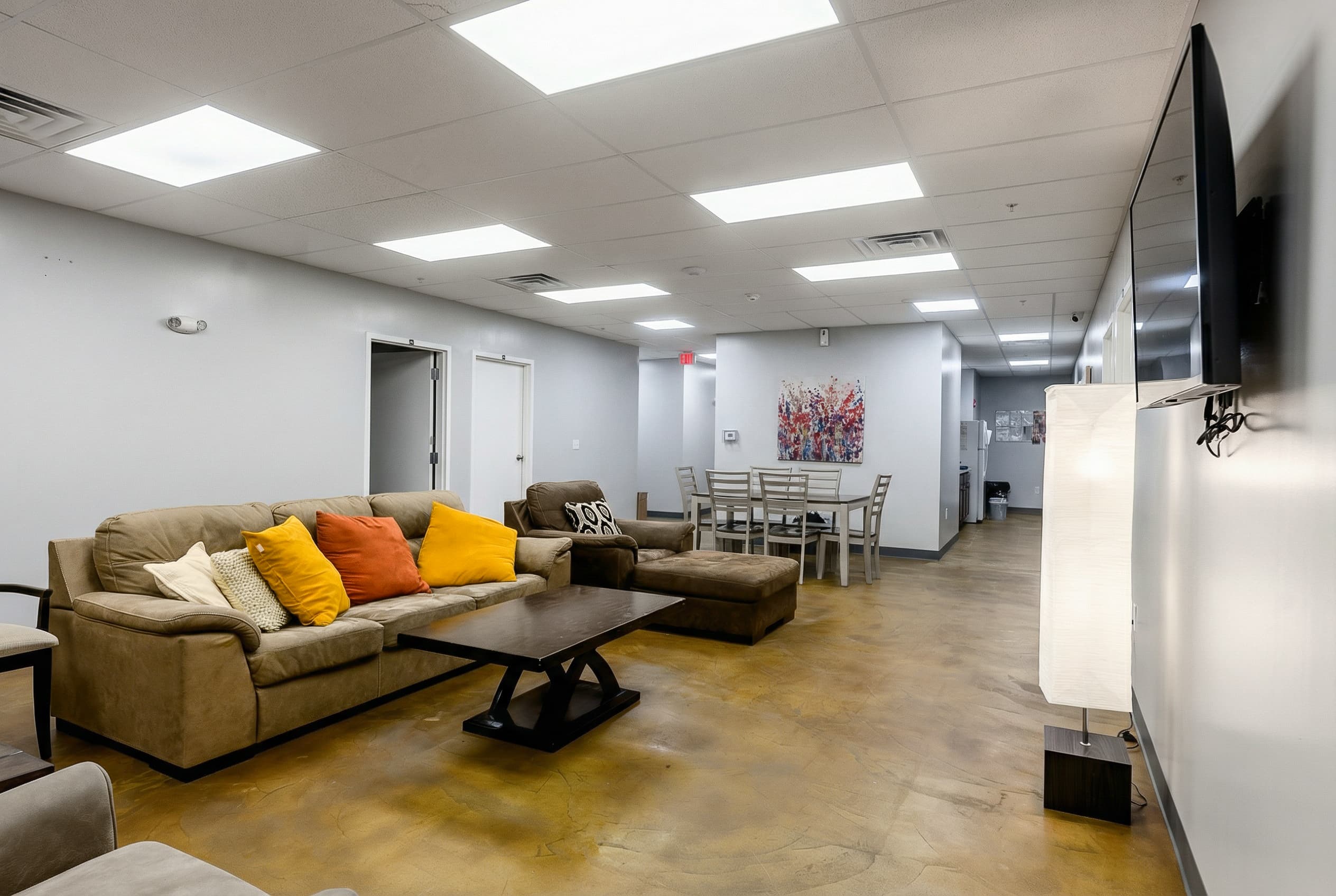
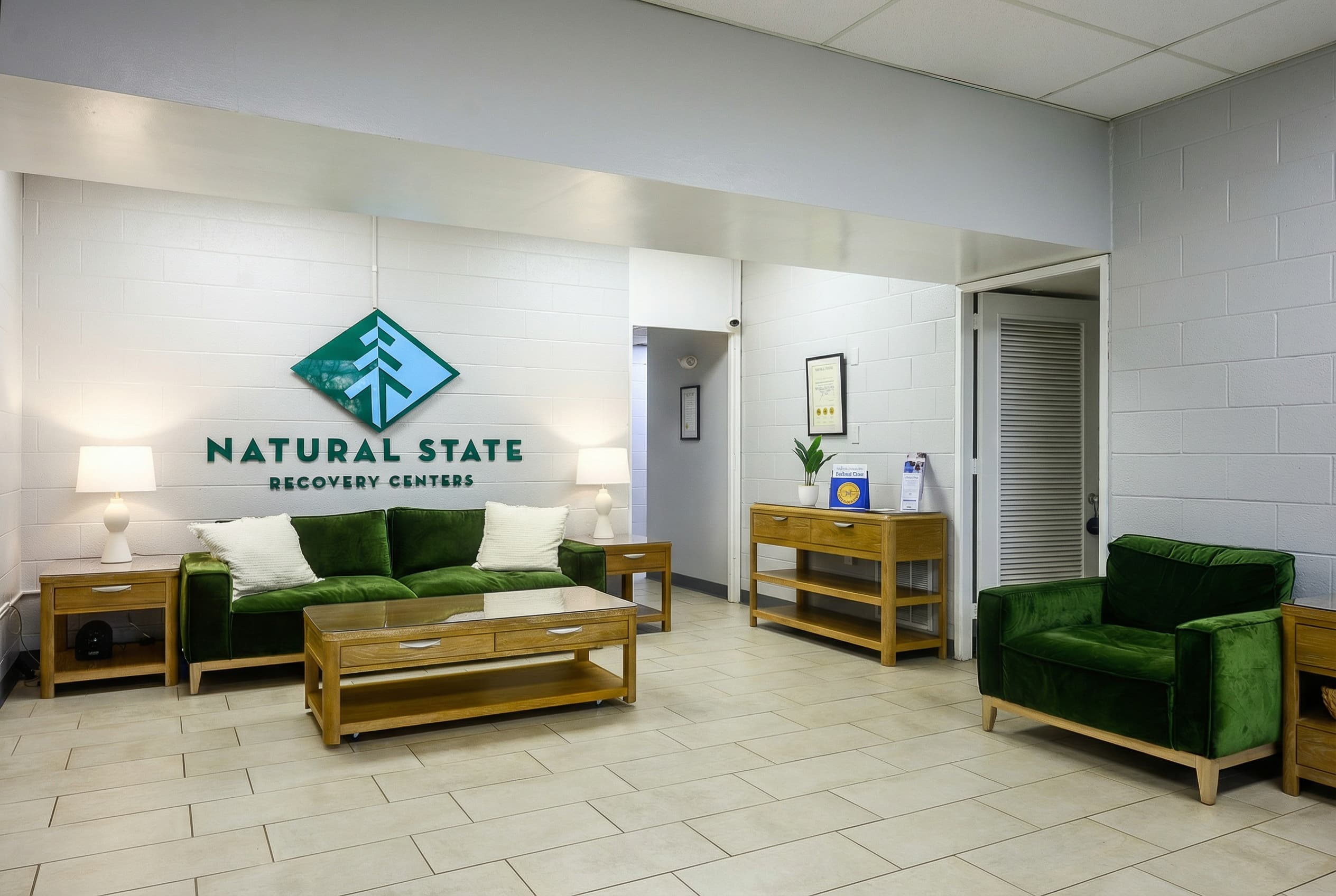
A home built for healing, not an institution.
Who it’s for
When residential is the right level
Residential care fits when home isn’t stable enough for recovery to take hold. It’s often the right starting point when:
- Withdrawal needs supervisionDetox is safer with medical staff close by, day and night.
- Relapse keeps happeningRepeated returns to use often call for deeper structure than outpatient can offer.
- Home isn’t safe for recoveryWhen the people or places around you make staying sober harder, distance helps.
- Co-occurring mental healthAnxiety, depression, or trauma alongside addiction, treated together.
- Outpatient hasn’t been enoughA live-in reset can give recovery the room it needs to take hold.
- You need a full resetTime away from triggers, with your days built around getting well.
Inside the home
Where the days take shape
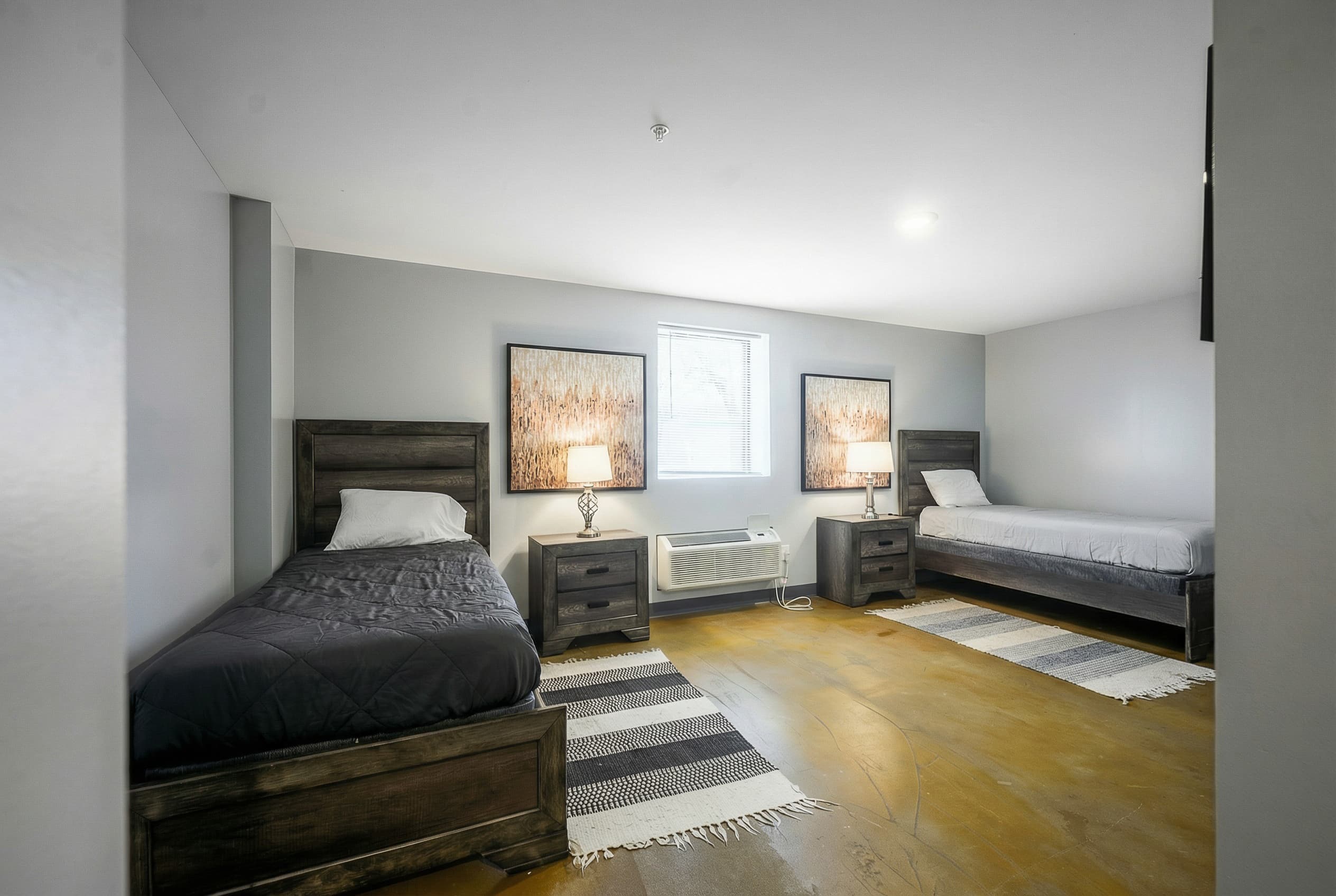
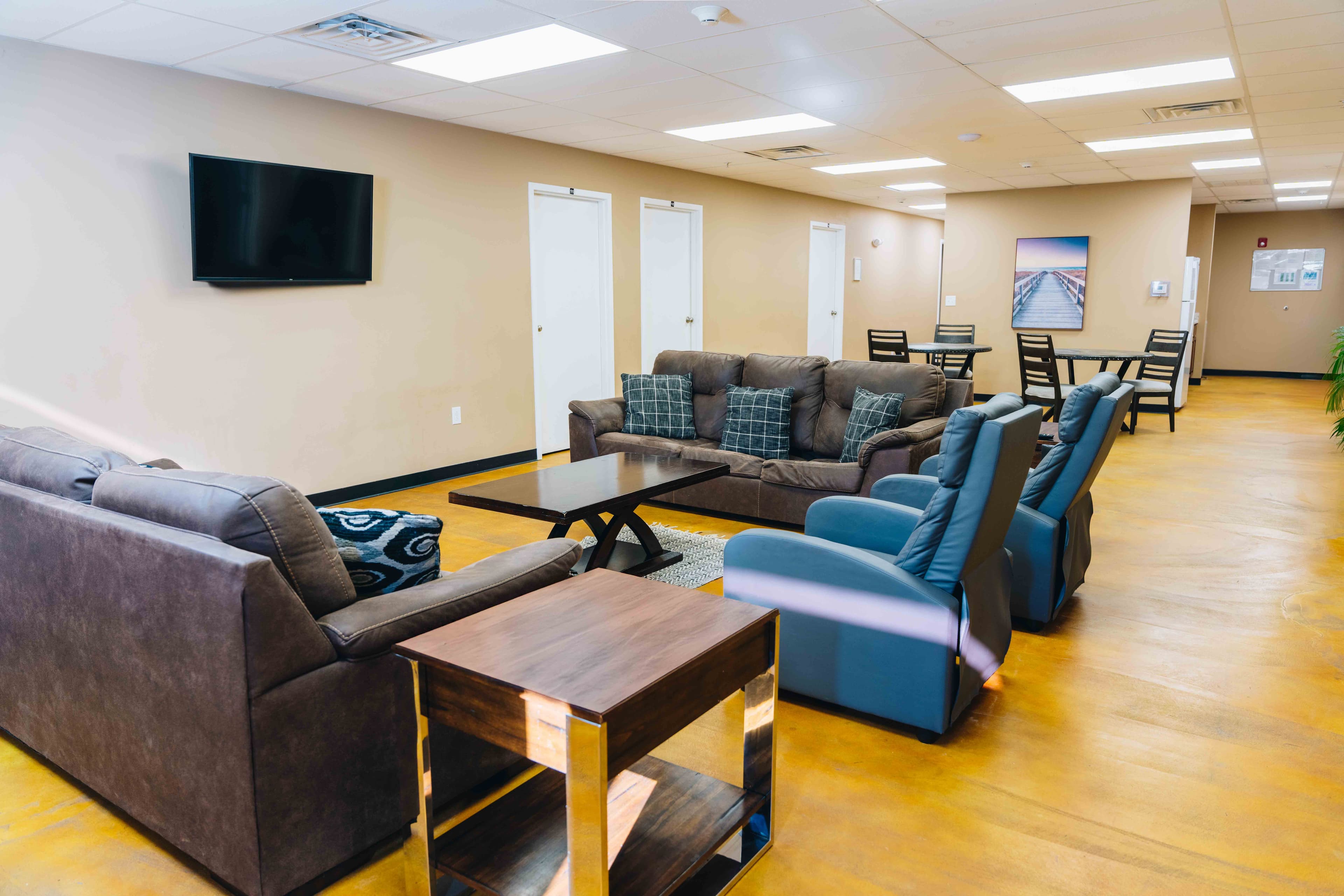
Quiet rooms, common spaces that feel lived-in, and the slow return of evenings that feel like yours again.

Why NSRC
One team, every level of care
The full continuum
Detox, residential, PHP, IOP, and outpatient, all under one organization, so transitions never mean starting over.
CARF-accredited care
An independent accreditation holding us to national standards for safety and quality.
Whole-person treatment
Addiction isolates. Treatment here is built to bring you back into connection: therapy, family education, wellness, and medication support, together.
Rooted in central Arkansas
A local Little Rock-area program, close to home, family, and your community.
Cost of Treatment
Insurance accepted
Most major plans are accepted. Admissions verifies benefits, often the same day, and walks through any out-of-pocket cost before you commit to anything.








Don't see your plan? NSRC works with most major providers. Call to confirm.
Questions & answers
Common questions about residential treatment
What’s the difference between residential and inpatient rehab?
People use the terms interchangeably. Both mean live-in treatment, where you stay on site with around-the-clock support. At NSRC, residential care includes therapy, family education, wellness, and peer support, with medical detox available first when it’s needed.
How long does residential treatment last?
Length of stay is set with your care team rather than a fixed clock. It depends on your history and how you respond to treatment, and many people move through residential care into outpatient over time rather than leaving treatment all at once.
What does a typical day look like?
Days are structured around individual and group therapy, family education, 12-step meetings, wellness like yoga and meditation, and chef-prepared meals, with quiet time built in between. The routine is part of the treatment.
Do I need residential, or would outpatient work?
Residential offers the most structure and is often the right start when use is severe, withdrawal needs supervision, or home isn’t stable. Outpatient lets you live at home while in treatment. Your assessment will recommend the right level, and you can step between them as you progress.
Does insurance cover residential treatment?
Most insurance plans cover addiction treatment. Our admissions team can verify your benefits quickly and confidentially before you commit to anything. And don’t let insurance be a deterrent to calling: if we’re not in your network, we’ll help point you in the right direction.
Explore other programs
More ways we help in Little Rock
The hardest part is the first call.
So know this before you dial: we’re not scary, and nobody here will judge you. The call is free and confidential with no obligation. We’ll listen, check your insurance, and if you can’t get here, we can help arrange a ride.
Open for admissions 7 days a week · Most insurance accepted