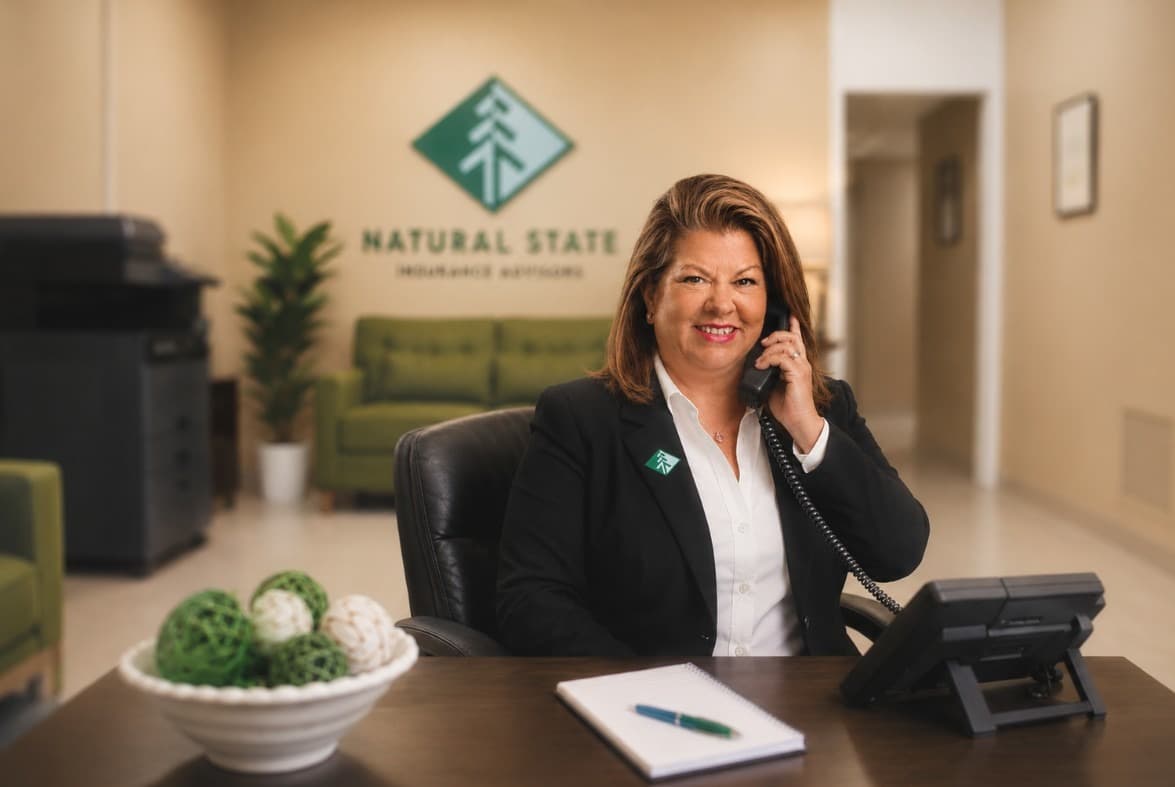
Written by: Kelli Brawley, Business Development, Natural State Recovery Centers
Last Reviewed: June 30, 2026
There are moments in life that quietly change the direction of your purpose. For me, one of those moments happened through a phone call, but over time, it became hundreds of phone calls from people who were scared, overwhelmed, and often making one of the hardest decisions of their lives.
The Problem I Couldn’t Ignore
When I first started working at Natural State Recovery Centers, I quickly noticed something that did not sit right with me. People would call asking for help, and while sometimes we could provide the care they needed, other times we could not. Maybe we did not accept their insurance, maybe they needed a higher level of care, or maybe they needed a faith-based program, Medicaid provider, detox, or services in another part of Arkansas. What bothered me was not that we could not admit every person, what bothered me was realizing that many treatment centers simply say, “We don’t take your insurance,” and then the conversation ends. But what happens to that person after they hang up? Most of them do not know where to call next, and some never make another phone call.
Becoming the Person Who Stays on the Phone
Before long, our admissions team began sending those calls to me because they knew I would stay on the phone, help people understand their options, and do my best to find a place that could meet their needs, even if it was not with us. Then hospital case managers began calling, drug court staff started reaching out, counselors wanted recommendations, probation officers needed resources, and social workers needed help finding Medicaid providers, grant-funded beds, faith-based programs, and facilities that served specific populations. I realized there was a huge gap in our system, so I planted myself right there. I knew those clients were not coming to Natural State Recovery Centers, but that was never the point. The point was getting them into treatment, because recovery is bigger than one organization.
Recommendations Built on Experience, Not Assumptions
Over time, I built relationships with recovery centers across Arkansas and beyond. I visited facilities so I could honestly tell families what they were like, and I learned which programs offered medication-assisted treatment, which faith-based programs also provided licensed counseling, which facilities accepted Medicaid, which counties they served, and which organizations had grant-funded beds available. I wanted every recommendation I made to come from experience, not assumptions. We began creating detailed resource guides, spreadsheets, and referral lists so that every person who called us could leave the conversation with hope instead of another dead end.
What the Research Shows
The scale of the problem is hard to overstate. In 2023, of the 48.5 million Americans aged 12 and older with a substance use disorder, only 14.6 percent received any treatment — meaning roughly 85 percent went without. (SAMHSA, 2023 National Survey on Drug Use and Health) The barriers are not only about beds or funding, researchers who studied the referral process found that fragmented systems, poor coordination between providers, and simple uncertainty about where to call next cause many people to fall through the cracks before they ever reach care (Blevins et al., 2018). Those are not just statistics. They are sons, daughters, parents, veterans, friends, and people who found the courage to ask for help and deserved someone willing to walk with them a little farther.
Direction Can Matter More Than a Bed
I have learned that sometimes the most important thing you can offer is not a bed, but direction. It is knowing who to call, introducing someone to the right person, and making one more phone call after everyone else has stopped trying. Professionals across our state, Case managers, counselors, court staff, physicians, recovery coaches, and treatment providers all share the same mission of helping people recover, and those partnerships remind me every day that we accomplish far more together than we ever could alone.
Recovery Is Bigger Than One Organization
At Natural State Recovery Centers, our mission is not simply to fill beds, it is to help people find the right care. If that is with us, we are honored, and if it is somewhere else, we will do everything we can to help them get there. Every person deserves access to quality treatment, every family deserves hope, and no one seeking recovery should ever hear, “We can’t help you,” without also hearing, “But here’s someone who can.”
Looking for help? If you or someone you love is searching for treatment, call me at 479-264-9500, I would love to speak with you. Whether the right care is with us or somewhere else in Arkansas, we will help you find it — and we will not let the conversation end with “we can’t help you.”
That is the kind of resource I want to be, and that is the kind of organization I am proud to represent.
References
1. Blevins, C. E., et al. “Gaps in the Substance Use Disorder Treatment Referral Process. ” Journal of Behavioral Health Services & Research, 2018. https://pmc.ncbi.nlm.nih.gov/articles/PMC6066414/
2. Substance Abuse and Mental Health Services Administration. “Key Substance Use and Mental Health Indicators: 2023 NSDUH.” https://www.samhsa.gov/data/report/2023-nsduh-annual-national-report
3. Substance Abuse and Mental Health Services Administration. “SAMHSA’s National Helpline.” https://www.samhsa.gov/find-help/helplines/national-helpline
4. Substance Abuse and Mental Health Services Administration. https://findtreatment.gov
5. Substance Abuse and Mental Health Services Administration. “Treatment Locators. ”https://www.samhsa.gov/find-help/locators
6. The Joint Commission. “Referral for Addiction Treatment. ”https://manual.jointcommission.org/releases/TJC2025A/DataElem0319.html